

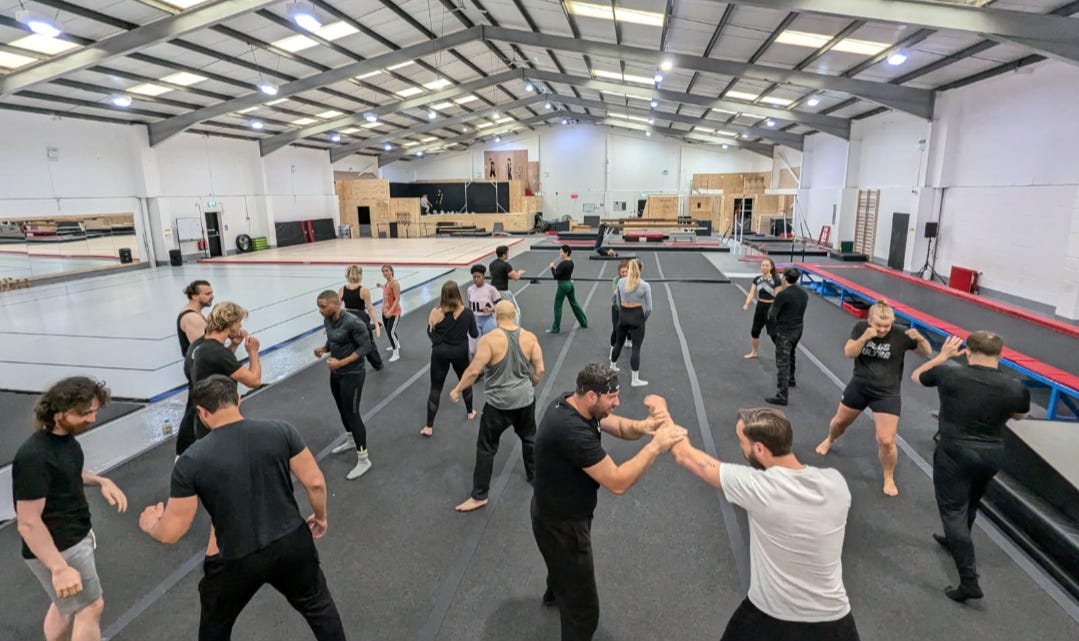
Ultimately, effective performance preparation involves more than simply practicing the skills required for the task. It means understanding the environment, anticipating the demands of the situation and preparing yourself to respond appropriately when those demands arise.
You can train in the equipment you’ll be using, introduce realistic sounds and distractions into your practice and use mental rehearsal to familiarise yourself with the experience. You can practice under timed or observed conditions, develop strategies for dealing with unexpected events and learn to regulate your breathing when you notice your arousal increasing.
More importantly though, you can practice these techniques consistently, rather than waiting until you’re under pressure to try them for the first time. Remember, you don’t rise to the occasion, you fall to the level of your training.
Whether you’re stepping onto a competition mat, walking onto a film set, sitting an examination, taking a driving test or facing a difficult conversation, the same broad principles apply. The more effectively you prepare for the actual experience, the better equipped you may be to manage the demands of the moment.
It’s also important to accept that you can’t control every variable and you can’t guarantee that everything will go according to plan. What you can do is increase your familiarity with the situation, prepare your responses and develop the ability to bring your attention back to the task at hand.
Performance isn’t just about what you can do when everything is comfortable and familiar, it’s about how effectively and efficiently you can access those abilities when the conditions become more demanding.
…and this is absolutely something you can train.